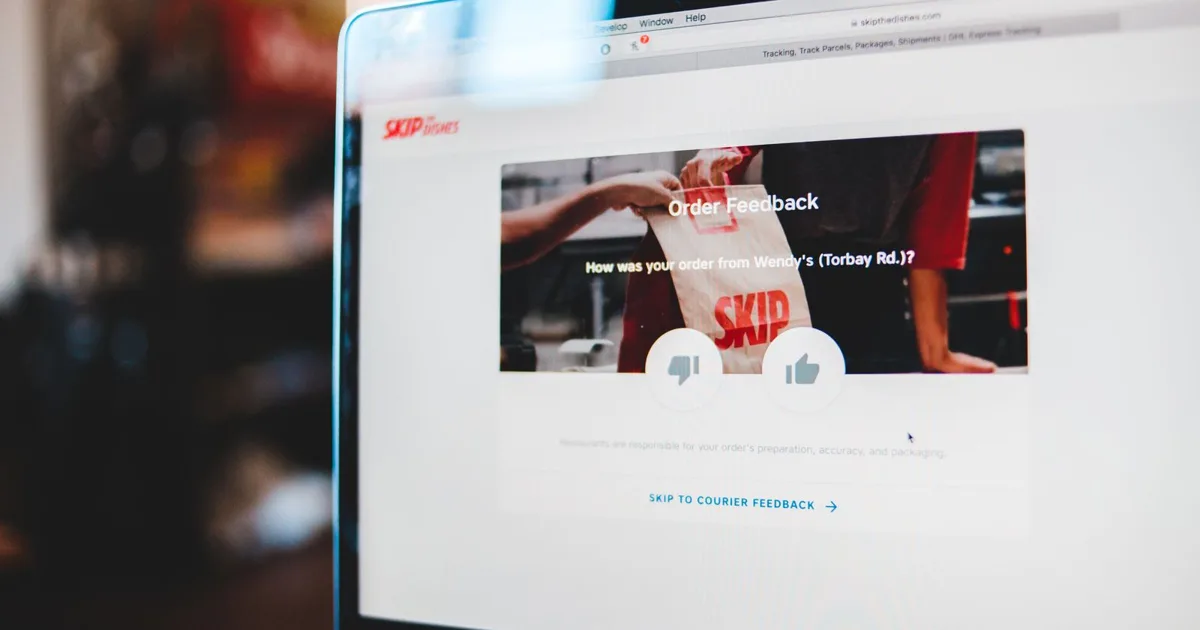

A customer review management tool centralises the collection, monitoring, analysis and replies to online reviews (Google, Facebook, Tripadvisor, Trustpilot) in a single interface.
In 2026, the best choice depends on your goal: generating more in-store reviews, managing a multi-site network, or analysing customer sentiment at scale.
This guide focuses on the management side: centralising, replying, analysing. If your immediate priority is boosting your review volume, our selection of the best tools to get more Google reviews breaks down the collection mechanics (prize game, QR code, NFC).
Comparison of the 10 best customer review management tools in 2026
| # | Tool | Best for | Pricing |
|---|---|---|---|
| 🥇 | Up Review #1 | Review collection + local visibility | €89 and €149/month excl. VAT |
| 2 | Guest Suite | Local marketing suite (networks) | Custom quote (not public) |
| 3 | Birdeye | Large multi-site businesses | $299-449/site/month |
| 4 | Partoo | Online presence + reputation | Custom quote (not public) |
| 5 | ReviewTrackers | Analytics and monitoring | $15-89/site/month |
| 6 | Podium | Messaging-based review requests | From ~$399/month |
| 7 | Grade.us | Agencies and white label | From $25/seat/month |
| 8 | AskNicely | Customer feedback (NPS / CSAT) | Custom quote (not public) |
| 9 | Sprout Social | Social media + reviews | From $79/user/month |
| 10 | Brand24 | Social listening and monitoring | From ~$149/month |
What is a customer review management tool?
A customer review management tool pulls together reviews from multiple platforms into a single dashboard, sends real-time alerts, streamlines replies (often AI-assisted) and analyses customer sentiment trends. The goal is twofold: save time and turn feedback into a lever for local visibility, trust and growth. According to BrightLocal's 2026 Local Consumer Review Survey, 97% of consumers read online reviews for local businesses and 93% have made a purchase after reading reviews, which makes review management a direct revenue driver.
The best tools do more than just monitor: they actively generate new reviews (QR codes, SMS, NFC), structure replies and connect the data to marketing actions. If collection volume is your main bottleneck, our complete guide to collecting more customer reviews walks through the tactics step by step.
How to choose the best customer review management tool?
1. Make review collection as easy as possible
The simpler the journey, the more likely a customer is to leave a review. Physical supports (QR codes, NFC plates), automated SMS and fast mobile flows convert better than long emails. Ask for the review right after the experience, while satisfaction is still fresh. For proven wording and timing, see our guide on how to encourage customers to leave a review without sounding pushy.
2. Choose the platforms that matter to you
Some businesses rely almost entirely on Google Maps; others need to manage Tripadvisor, Facebook or industry-specific platforms. Focus on where your prospects actually look for you rather than spreading yourself across too many channels.
3. Think about day-to-day management, not just features
A good tool saves time: automatic alerts, a clear interface, fast replies, history. If you manage several locations, a consolidated multi-site view becomes essential.
4. Organise your review responses clearly
Replying quickly and consistently builds trust. Know who replies, with what messages and within what timeframe. Templates and AI assistance help maintain a consistent quality.
5. Rely on concrete data
Beyond marketing promises, track your average rating, review volume, how they evolve and their impact on your visibility. A good tool makes these metrics easy to act on. Browsing real positive review examples by industry is also a quick way to benchmark what a strong review actually looks like for your sector.
6. Avoid tools that are too heavy or poorly suited
Stacking up software complicates management. If you already use a CRM, favour a tool that integrates well and stays simple day to day.
1. Up Review (Best for customer review management, from AI replies to loyalty)

Up Review is a French SaaS platform for customer review management and local marketing. Its core belief: review management does not stop at monitoring, it also covers replying, analysing and putting the resulting customer data to work.
In practice, every new review lands in a single dashboard, a real-time alert fires the moment a negative review is published, and AI suggests a personalised reply in the business's own tone, ready to approve in one click. The contacts collected then feed a segmented CRM that powers campaigns and loyalty programmes. A management approach built for shops, clinics, salons and multi-site networks across France.
Across our 400+ clients, the Italova, Japan Burger, Marie Blachere and Maison Ravenel network pushed this the furthest: over 6,000 reviews collected across its locations, lifting the group's average rating from 4.1 to 4.6.
Features
- Collect reviews and followers (Google, TikTok, Instagram): prize game, QR code, NFC plate.
- Review management: centralisation, real-time alerts on negative reviews, personalised AI replies.
- SMS campaigns, email campaigns, event-based automation (birthday, inactivity, post-visit).
- CRM and customer database: segmentation, contact history, campaign targeting.
- Multi-site dashboard: manage all your locations from a single view (Network offer).
Already live (Signature pack):
- Loyalty program with Apple/Google Wallet card, points or visits accrual, push notifications, geo push, personalised coupons.
- Publishing to Google Business Profile, Instagram and Facebook with an editorial calendar and automatic photos.
- Missed calls (automatic SMS on missed calls) and satisfaction surveys (NPS, CSAT).
Coming soon:
- Multi-platform review management (TripAdvisor, Uber Eats, Facebook, etc.)
- Multi-platform presence management (Google, Facebook, Instagram, TikTok, TripAdvisor, Pages Jaunes, etc.)
Strengths
- Review replies written by AI in the business's own tone, with approval before sending
- Real-time alerts on negative reviews so you can react without delay
- Review data connected to a CRM: segmentation and targeted campaigns
- Consolidated multi-site view for networks and franchises
Weaknesses
- More limited international multi-platform coverage than some enterprise tools
Who is it for?
- Shops, restaurants, clinics and salons that receive reviews every week
- Networks and franchises looking for a consolidated view of their reputation
- Businesses that want to connect reviews, satisfaction and marketing actions
Pricing
- Pro: €89/month excl. VAT under a 12-month commitment, billed monthly (€119 with no commitment)
- Signature: €149/month excl. VAT under a 12-month commitment, billed monthly (€179 with no commitment)
- Network: dedicated offer by quote, degressive pricing based on the number of locations
Why Up Review ranks #1 among the best customer review management tools 🏆
Because it covers the entire management cycle in a single interface: centralising reviews, alerting, AI-assisted replies, customer base analysis and then marketing reactivation. Where most platforms stop at monitoring, Up Review connects customer relationship management to the reviews themselves, at a public price that starts at €89/month excl. VAT (Pro pack). Over 400 businesses already run their review management through Up Review, which itself holds a 4.9/5 rating on Google.
2. Guest Suite (Best for local marketing suites: reviews, presence, feedback)
Guest Suite approaches customer reviews from a management angle: all feedback (Google, Tripadvisor and other platforms) flows into a shared dashboard, replies rely on templates and AI suggestions, and satisfaction is tracked over time, location by location. A positioning built for networks and franchises that need to report on their reputation.
Features
- Single dashboard with real-time alerts on new reviews
- AI-assisted replies: templates and suggestions to keep a consistent tone
- Satisfaction analysis: rating trends, volumes and patterns
- Local listing management (Google, directories) and automated distribution of positive reviews
- Upstream SMS, email, QR code and NFC surveys to feed the system
Strengths
- Long-term reputation tracking, with metrics readable by network leadership
- Consistent replies across all locations thanks to shared templates
- Also covers local presence and feedback, beyond just reviews
Weaknesses
- Pricing is not transparent (requires contacting sales)
- Overkill for a small business
- Longer setup than a simple tool
Who is it for?
Store networks, franchises and multi-site groups.
Pricing
Custom quote (not public), based on the number of locations and modules.
3. Birdeye (Best for large multi-site businesses)

Birdeye is an enterprise reputation and customer experience management platform used by multi-location brands. It centralises reviews, listings, messaging and analytics in a single interface, and covers many platforms beyond Google.
Features
- Multi-platform centralisation (Google, Facebook, Yelp, Tripadvisor...)
- Centralised dashboard with real-time alerts
- AI replies, local listing management
- Advanced reporting and multi-site benchmarking
- Automated review requests (SMS, email)
- Unified messaging and CRM integrations
Strengths
- Very broad multi-platform coverage (200+ sites monitored)
- Powerful multi-site reporting and management
- Suited to well-structured organisations
Weaknesses
- High cost for small businesses
- Annual contracts, setup fees ($500-1,500 for a single site), an "innovation fee" at renewal
- More complex setup
Who is it for?
Large businesses and multi-location franchises.
Pricing
$299 (Starter) / $349 (Growth) / $449 (Dominate) per site/month billed annually; Premium by quote beyond 4 sites. Prices not publicly listed (quote-based).
👉 Full comparison: Up Review vs Birdeye
4. Partoo (Best for online presence and reputation management)

Partoo is a French platform for online presence management, reviews and centralised messaging. It helps improve local visibility, centralise reviews and manage customer interactions from a single interface.
Features
- Review centralisation (Google, Facebook, Tripadvisor...)
- Multi-channel collection (QR codes, SMS, email)
- Centralised listing management and updates across multiple platforms
- Unified customer messaging (Google, Messenger, Instagram)
- Performance dashboards and reputation analysis
- Mobile app to reply on the go
Strengths
- Centralised management of local presence and reviews
- Unified messaging for fast replies
- Interface accessible to non-technical teams
Weaknesses
- Pricing not public
- Listing updates can be slow depending on the platform
Who is it for?
Multi-site networks wanting to standardise their presence and reputation.
Pricing
Custom quote (not public), based on the number of locations and modules.
5. ReviewTrackers (Best for multi-source analytics and monitoring)
ReviewTrackers (part of the InMoment group) is a reputation management tool focused on review tracking, sentiment analysis and reporting. It is a strong fit when data analysis and competitive tracking matter more than on-the-ground collection.
Features
- Review dashboard (Google, Yelp, Facebook... 120+ sources)
- Real-time alerts and sentiment monitoring
- Analytics, advanced reporting and competitive benchmarking
- Advanced search and filtering
- Email/SMS campaign collection depending on the plan
Strengths
- In-depth multi-channel tracking and analysis
- Useful reporting to measure satisfaction
- Google Business Profile partner
Weaknesses
- Less intuitive interface
- Some integrations require configuration
- Advanced features not included in base plans
Who is it for?
Brands and networks (5-50 sites) wanting detailed review analysis.
Pricing
$15-89/month per site depending on the plan; custom quote beyond 10 sites.
6. Podium (Best for messaging-based review requests)
Podium is a customer interaction platform centred on messaging (SMS and messaging apps). It helps local businesses request reviews, reply fast and convert leads straight from the conversation.
Features
- SMS review collection with direct links
- Multi-platform review management from a single interface
- Omnichannel messaging (SMS, Google, Facebook, Instagram, webchat)
- Conversational AI, follow-ups and bulk SMS campaigns
- Reporting and POS/CRM integrations
Strengths
- Excellent SMS review collection
- Centralised customer conversations
- Well suited to services where responsiveness is key
Weaknesses
- Advanced features reserved for higher-tier plans
- Annual contracts, prices not public, extra fees (phone numbers, 10DLC)
- Less focused on local SEO / gamification
Who is it for?
Local businesses (SMEs, shops, services) relying on SMS and social media.
Pricing
- Core ~$399/month
- Pro ~$599/month
- Signature by quote. Prices not publicly listed.
- AI review replies available as an add-on (+$99/month).
👉 Full comparison: Up Review vs Podium
7. Grade.us (Best for agencies and white-label use)
Grade.us is a review management platform built for agencies, SEO consultants and multi-client service providers, with a strong focus on automation and white-label branding.
Features
- Automated review generation (email and SMS)
- Monitoring with real-time notifications
- Review sharing and marketing (website widgets and social media)
- Review request funnel
- White-label solution and CRM integrations
Strengths
- Built for agencies, consultants and multi-client use
- Extensive white-labelling
- Efficient automation of generation and tracking
Weaknesses
- No multi-language support (interface and support in English only)
- Solo plan is expensive for a single business
- Recent increase in white-label fees
Who is it for?
Marketing agencies, SEO consultants and providers managing multiple clients.
Pricing
- Partner $25/seat/month
- Agency $40
- Professional $60
- Solo $110
- Premium white-label +$440/year
- 14-day trial.
8. AskNicely (Best for customer feedback programmes tied to reviews)

AskNicely is a customer feedback platform focused on experience (CX) and loyalty through automated surveys, particularly Net Promoter Score (NPS), with public review generation as a complement.
Features
- Real-time feedback via NPS and CSAT
- Automated workflows to analyse, prioritise and assign feedback
- Dashboards and analytics
- CRM integrations and review generation from surveys
- Advanced text analytics
Strengths
- Experience tracking with clear metrics (NPS, CSAT)
- Strong survey automation
- Field-oriented (mobile, customer-facing teams)
Weaknesses
- Fewer features dedicated to public review management
- More CX-focused than pure review collection
- Higher cost than standard review tools
Who is it for?
Organisations wanting automated workflows around feedback and action plans.
Pricing
Custom quote (not public), sales contact required.
9. Sprout Social (Best for unified social media and review management)
Sprout Social is a full social media and reputation management platform: scheduling, publishing, listening and analytics, with built-in review management and engagement tools.
Features
- Multi-platform review management (Google Business, Facebook, Yelp...)
- Social media scheduling and publishing
- Smart inbox and centralised engagement
- Sentiment analysis, real-time alerts
- Advanced reporting, collaboration and workflows
Strengths
- All-in-one social media + reputation solution
- Advanced monitoring of mentions and trends
- Solid analytics reporting
Weaknesses
- High per-user (per-seat) cost
- Complex for small teams
- Advanced social listening only as a paid add-on
Who is it for?
Organisations that need advanced reporting and social listening.
Pricing
- Essentials from $79
- Standard $199
- Professional $299
- Advanced $399 per user/month (annual)
- Enterprise by quote.
- 30-day trial.
10. Brand24 (Best for social listening and broader reputation monitoring)

Brand24 is a media monitoring and social listening platform that tracks in real time what is being said about a brand, its products or its competitors, across social media, blogs, forums, news sites and reviews.
Features
- Real-time monitoring and mention tracking
- Automatic AI sentiment analysis
- Influence and reach score
- Competitive analysis (volumes and sentiment)
- Advanced filters and keyword search
Strengths
- Very broad monitoring, beyond just reviews
- AI-based sentiment analysis
- Suited from SMEs to large enterprises; free trial
Weaknesses
- No review collection
- Can be overkill if you just want to manage simple reviews
Who is it for?
Brands wanting to monitor their reputation beyond standard reviews.
Pricing
- From around $149-199/month, up to ~$599-999 depending on volume and billing (annual/monthly)
- 14-day trial
- No free plan.
Conclusion: the 10 best customer review management tools
The best customer review management tool is the one that matches your goal: collecting more reviews, saving time, improving local visibility or structuring a network.
For a business or network that wants to actively generate Google reviews and work on local SEO with a controlled budget, Up Review is the most complete and most accessible choice.
For a large network looking for a multi-platform enterprise suite, Birdeye or Partoo will be a better fit; for social listening, Sprout Social and Brand24.