Retaining a customer costs 5 to 25 times less than acquiring a new one, according to research by Frederick Reichheld published in the Harvard Business Review. Yet most businesses still focus the bulk of their marketing budget on acquisition. The result: they struggle to make the most of their existing customers, who eventually drift off to competitors.
This guide presents the 10 most effective customer loyalty tools in 2026, along with what each one brings to your retention strategy in practical terms.
What is a customer loyalty tool?
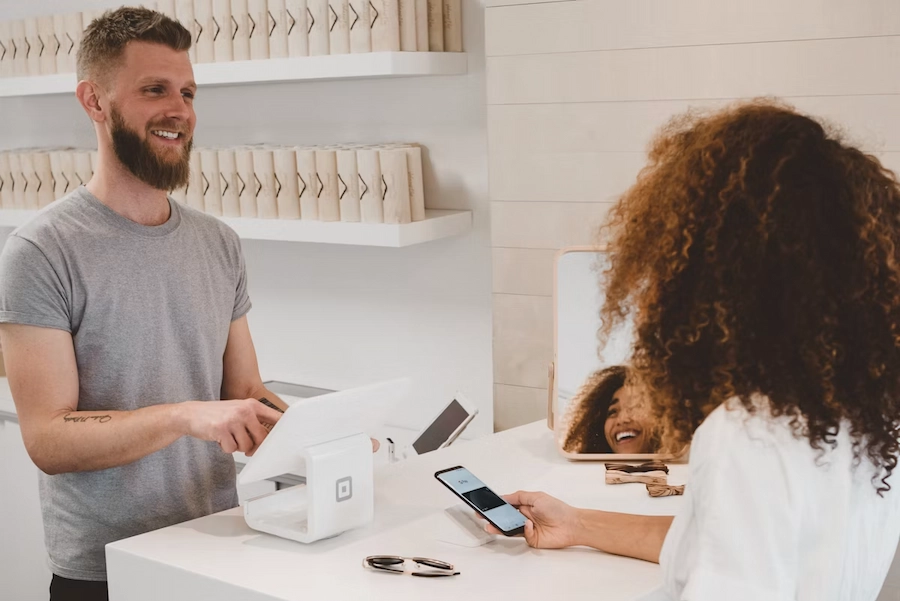
A customer loyalty tool refers to any system, software, programme or process designed to encourage existing customers to stay engaged with your brand and keep buying from you.
The goal is twofold: maintain customer satisfaction and increase Customer Lifetime Value (CLV), meaning the total value a customer generates over the entire course of their relationship with your business.
Definition: the 3 types of customer loyalty Behavioural loyalty rests on repeated buying habits, reinforced by rewards. Attitudinal loyalty comes from an emotional attachment to the brand, built through the customer experience. Induced loyalty stems from a contractual relationship or a dependence on the services offered: subscription, ecosystem. The tools presented in this guide act on one or more of these dimensions.

1. CRM: the backbone of your strategy
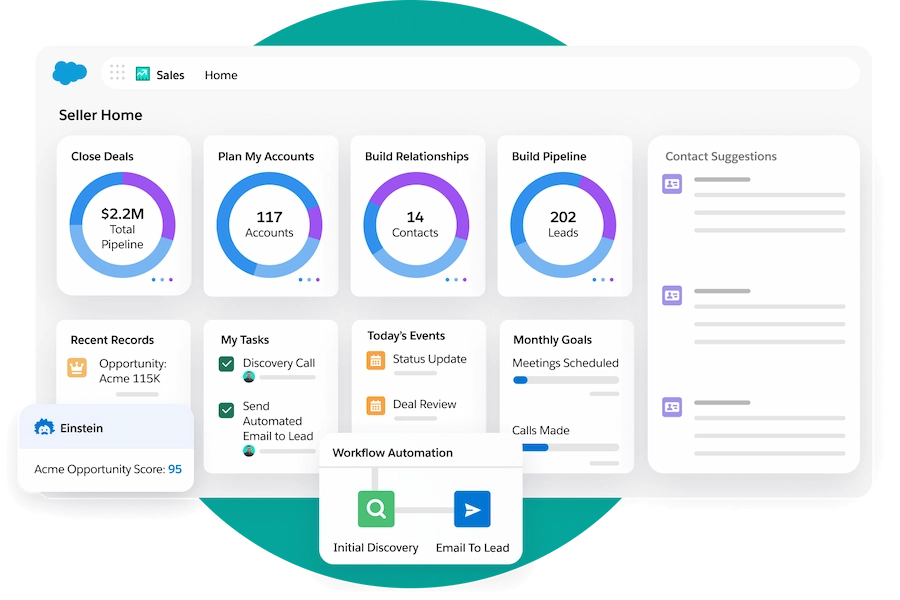
A CRM for local businesses is the foundation of any loyalty strategy. It centralises all of your business's customer data: contact details, purchase history, past interactions, stated preferences and channels used. Every team member gets a 360-degree view of the customer relationship as a result.
A well-configured CRM lets you identify at-risk customers, meaning inactive customers, those whose purchase frequency is dropping, or those who have recently filed a complaint. It also lets you trigger automated actions at the right moment: a follow-up, a personalised offer, a birthday message. Finally, it helps you segment your base to tailor communications to each profile and measure the retention rate by segment.
The most common solutions for SMEs are HubSpot CRM (freemium, ideal for getting started), Salesforce (larger organisations) and Pipedrive (sales-focused SMEs). For local businesses and multi-site networks, solutions like Eudonet or Comarch offer tailored loyalty modules.
The key metric to track: the customer retention rate, meaning the share of customers who remained active over a given period. This is the first KPI your CRM should let you measure on a daily basis.
2. Loyalty programmes: rewarding to retain
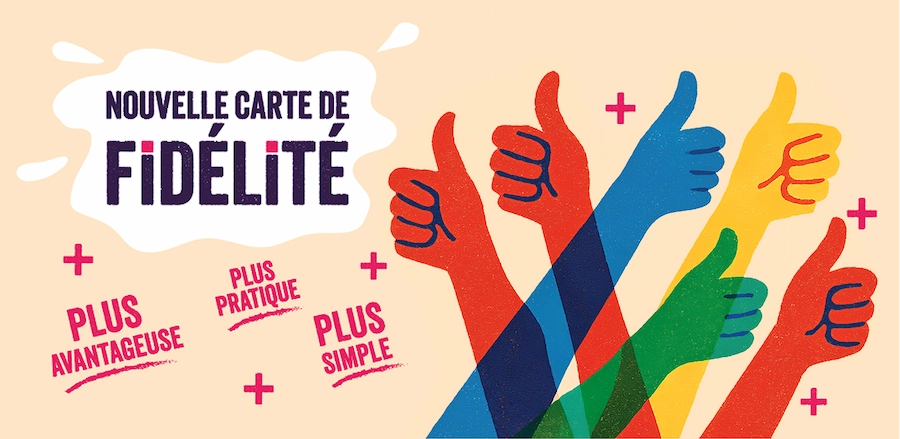
Loyalty programmes are the loyalty tool most directly visible to your customers. They rely on a simple mechanism: every purchase or engaging action generates rewards, points, cashback or status tiers, which encourage the customer to come back. Other customer retention actions can complement this system.
There are four main formats in 2026. The points-based programme is the most common: every euro spent earns points that can be exchanged for discounts or gifts. The tiered programme moves the customer up through status levels (Silver, Gold, Platinum) with growing benefits. Cashback returns a percentage of every purchase as credit on the customer's account. Finally, the paid subscription gives the customer access to exclusive perks, free delivery, private sales, priority support, in exchange for a monthly fee.
According to Deloitte's 2024 Consumer Loyalty Survey, 86% of consumers see financial rewards as important or very important in their decision to stay loyal to a brand.
To maximise impact, reward non-transactional actions too: reviews left, social media shares, event attendance. Platforms like Loyoly or Smile.io let you roll out a complete programme with no technical development.
3. Marketing automation: personalisation at scale
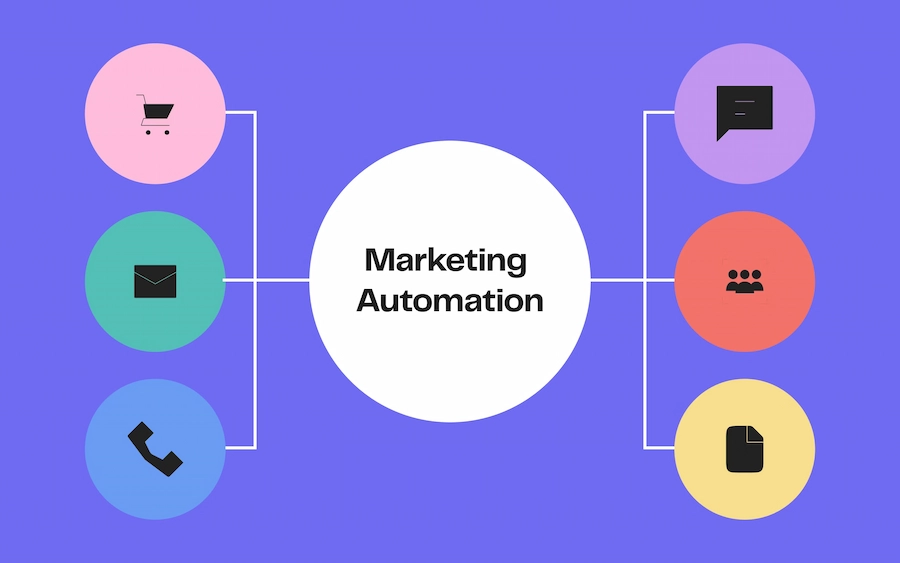
Marketing automation covers software that automates marketing communications based on customer behaviour. Where a generic email reaches open rates of 20 to 30%, an email triggered by a specific action, such as a first purchase, an abandoned cart or a birthday, can exceed a 50% open rate.
The most effective use cases for loyalty are as follows:
- A personalised welcome email after the first order
- Abandoned-cart follow-up with an exclusive promo code
- A re-engagement sequence for customers inactive for 90 days
- A post-purchase text message campaign to request a customer review
- A birthday message with a time-limited offer
The leading solutions: Klaviyo (e-commerce), Brevo (formerly Sendinblue, ideal for SMEs), ActiveCampaign (B2B and B2C), and Mailchimp for tighter budgets. The key is to connect your automation tool to your CRM to benefit from precise segmentation.
4. Customer review management software: your reputation working for loyalty
Customer reviews have become one of the most powerful, and most underrated, loyalty levers. When a customer leaves a positive review, they reinforce their own attachment to the brand through the mechanism of active engagement: they have publicly taken a stand in favour of your business. A steady stream of recent, authentic reviews also reassures future buyers, creating a virtuous circle between acquisition and loyalty.
According to the BrightLocal Local Consumer Review Survey 2025, 83% of consumers use Google to evaluate local businesses before contacting them. A business with few recent reviews raises doubts, even among its regular customers.
Review management software lets you automatically collect reviews after every purchase or service via email, SMS or QR code, centralise reviews from multiple platforms in a single dashboard, reply to reviews without juggling between interfaces, analyse trends to spot friction points in your customer experience, and turn satisfied customers into active brand ambassadors.
Up Review: the French solution for SMEs and multi-site networks

Up Review is a French platform specialised in collecting and managing Google customer reviews. It lets shops, networks and SMEs fully structure their review collection process without spending time on it day to day.
Its key features: automatic review requests sent by email or SMS after every purchase, personalised messages and send timing based on customer type, centralisation of all Google reviews in a single dashboard, real-time tracking of the average rating and how it evolves per location, and multi-site management for retail networks and franchises.
What sets Up Review apart: the platform is built specifically for local players, independent shops, franchises, service providers, who need a solution that is simple, effective and GDPR-compliant. Customers who make review collection a consistent habit with Up Review see their volume of testimonials grow significantly within a few weeks, which directly improves their visibility in Google Maps' Local Pack.
Our client Quick Avignon/Nimes is a good example of this at network scale: across its 3 restaurants, the average rating rose from 2.3 to 4 once review collection became routine rather than occasional.
Ideal for: shopkeepers, restaurants, tradespeople, franchises, independent professionals, multi-site networks.
5. Referral programmes: turning customers into ambassadors
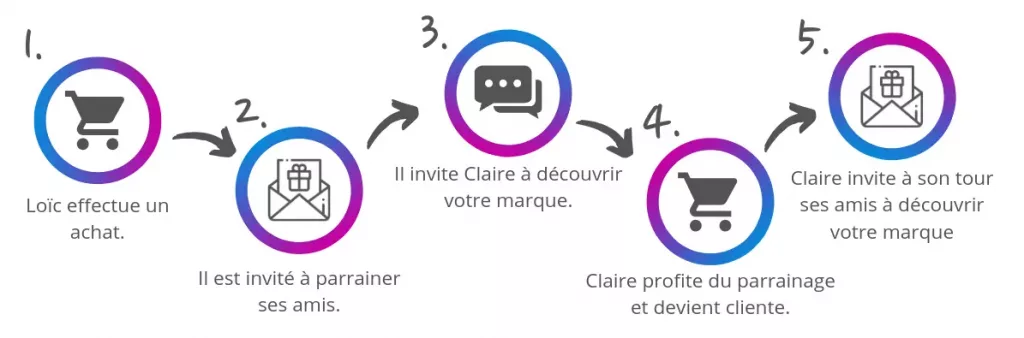
Referral is the modernised form of word of mouth. A satisfied customer recommends your brand to people they know, in exchange for a reward. The new customer also gets a welcome offer. The mechanism works two ways at once: it builds loyalty with the referring customer, who feels valued and recognised, and it generates a new customer at an acquisition cost well below that of traditional advertising channels.
The best-performing rewards are vouchers, extra loyalty points, free months on a subscription and early access to new products. The golden rule: the reward must be immediately noticeable and easy to use. A voucher only usable above 100 euros of spend is less effective than a straight 5-euro discount.
Tools like Loyoly, ReferralCandy or Mention Me let you roll out a referral programme with automatic tracking and reward distribution, with no custom development.
6. Customer Data Platforms (CDP): a unified view of every customer
A Customer Data Platform collects and unifies customer data from every source: website, mobile app, physical shop, social media, call centre. It goes further than a CRM by cross-referencing behavioural, transactional and declared data in real time to create a single, dynamic customer profile. Building that cross-reference means you first need to have started to digitise your point of sale to capture till and footfall data.
The distinction from a CRM is often misunderstood. A CRM focuses on managing commercial interactions, fed by teams and updated partially. A CDP, by contrast, automatically aggregates every source and updates profiles in real time, including browsing behaviour, clicks, till data and offline interactions.
In practical terms: a CRM is ideal for SMEs and sales teams managing a direct customer relationship. A CDP is built for larger companies with an omnichannel strategy and large volumes of data to cross-reference.
The leading CDPs: Segment (Twilio), Adobe Real-Time CDP, Bloomreach. For SMEs, solutions like Klaviyo CDP or HubSpot Data Hub fill a similar role at a lower cost.
7. Satisfaction survey software: measure to retain better
A satisfaction survey is a dual-effect tool: it collects valuable data on the quality of the customer experience, and it shows the customer that their opinion matters. That gesture of listening strengthens the bond with the brand, regardless of the answers received.
Three metrics dominate the market. NPS (Net Promoter Score) asks the question: "On a scale of 0 to 10, how likely are you to recommend our brand to someone you know?" It measures the propensity to recommend by revealing your promoters, your passives and your detractors. CSAT (Customer Satisfaction Score) measures immediate satisfaction with a specific interaction: a purchase, a delivery, a contact with customer support. CES (Customer Effort Score) assesses how easy it is to interact with your services; the lower the perceived effort, the stronger the loyalty.
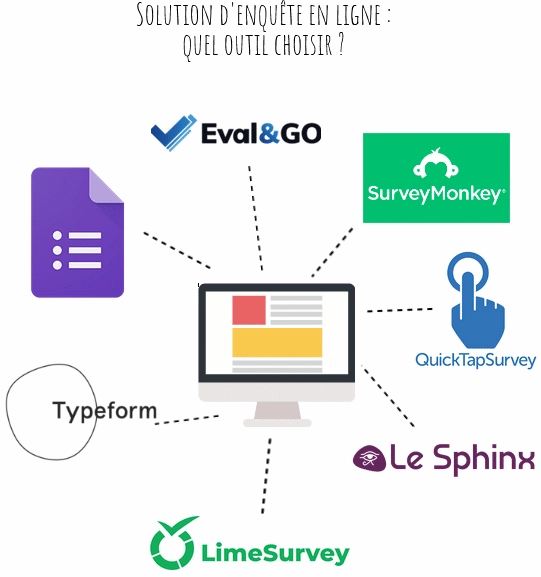
To maximise response rates, send the survey within 24 to 48 hours of the interaction, while the experience is still fresh. The most common tools: Typeform, SurveyMonkey, Google Forms for tighter budgets; Medallia or Qualtrics for larger companies.
8. Personalisation tools: a unique experience for every customer
Personalisation means tailoring the content, offers and messages shown to each customer based on their profile, history and real-time behaviour. It has become an expectation: according to Accenture (2025 consumer study), consumers who do not feel recognised by a brand actively consider switching to a competitor that would offer them a more personalised experience.
The most impactful use cases for loyalty are product recommendations based on purchase history, dynamic site content shown by customer segment, personalised emails featuring the customer's name and viewed products, and mobile push notifications targeted by location or recent activity.
The leading solutions: Dynamic Yield (used by McDonald's and Sephora), Nosto (e-commerce), and the recommendation engines built natively into Shopify or Magento.
9. Real-time engagement solutions: stepping in at the right moment
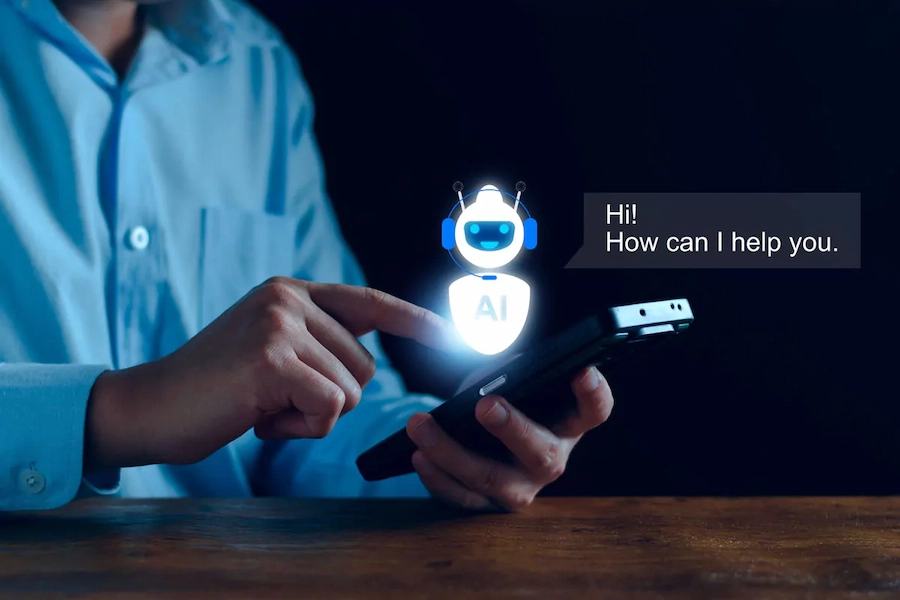
Real-time engagement solutions let you interact with a customer at the exact moment they need it: while browsing, during hesitation before a purchase, or right after a disappointment. They take the form of chatbots, live chats, contextual pop-ups or smart push notifications.
A customer who gets a fast, relevant answer to their problem is far more likely to stay loyal. Conversely, an unresolved issue or too long a wait immediately damages the relationship, often followed by a negative review visible to all your future customers.
The most widely used tools: Intercom and Zendesk (live chat and multichannel support), Freshdesk (ticketing suited to SMEs), Hotjar (to analyse friction in your digital journey and identify where you are losing customers).
10. After-sales service: the last line of defence for loyalty
After-sales service is often seen as a cost centre. In reality, it is one of the most powerful loyalty levers there is. A customer whose problem is resolved quickly and effectively is often more loyal than a customer who never had a problem at all. This documented phenomenon is called the service recovery paradox: successfully handling a complaint builds a stronger bond of trust than the complete absence of any incident.
To turn your after-sales service into a loyalty tool, train your teams in empathetic communication and conflict-resolution techniques. Put a clear ticketing system in place (Zendesk, Freshdesk, Front) and track two metrics: average resolution time and post-resolution satisfaction rate. Proactively follow up with unhappy customers, by email or phone within 48 hours of resolution, and offer a suitable goodwill gesture whenever the experience was negative.
Responsive, human after-sales service shows up directly in the reviews customers leave online, reinforcing both existing loyalty and the brand's reputation with future customers.
How do you choose the right loyalty tools for your business?
Not every loyalty tool is relevant to every industry or every stage of maturity. Before you invest, answer these three questions.
1. What is your digital maturity?
If your business does not have a CRM yet, start there. It is the foundation without which every other tool will underperform. A freemium CRM like HubSpot lets you get started with no upfront investment.
2. What is your main loyalty challenge?
If you have too many inactive customers: prioritise marketing automation and satisfaction surveys to re-engage your dormant customers. If you have few reviews online: start with review collection software like Up Review, it is the action with the best effort-to-result ratio. If you are seeing a high churn rate: invest in a loyalty programme and responsive after-sales service. If you struggle to know your customers: a CRM or a CDP is your absolute priority. If you rely on word of mouth: a structured referral programme naturally amplifies that channel.
3. What is your budget?
Some tools offer solid features in a freemium version: HubSpot CRM, Google Forms, Brevo. Others require significant monthly investment, such as CDPs or advanced personalisation platforms. The most effective approach is to master 2 or 3 tools in depth rather than pile up solutions you barely use.
In summary: priority tools by profile. Physical or local business: CRM, review management software, loyalty programme. E-commerce: CRM, marketing automation, personalisation. Service-based SMEs: CRM, NPS surveys, referrals. Multi-site network: CDP, review management, marketing automation. Every profile, priority number 1: quality after-sales service and systematic review collection.
Conclusion: the 10 best customer loyalty tools in 2026
Building customer loyalty is a profitable long-term investment. The 10 tools presented in this guide give you the levers to build a solid retention strategy, provided you choose them based on your specific challenges and roll them out consistently and progressively.
One piece of advice above all: do not underestimate the power of customer reviews. A steady stream of authentic testimonials works on loyalty, your customers feel heard and recognised, and on acquisition, your future customers trust you, at the same time. It is one of the rare loyalty tools that delivers effects on two fronts at once, at an entry cost accessible even to the smallest businesses.