Running a restaurant, you already know how fierce the competition is. Good restaurant communication can make all the difference, bringing in more customers and boosting your revenue.
👉 Here are 24 simple strategies to boost your online visibility without overcomplicating things.
The 24 strategies at a glance
| # | Strategy | Channel | Best for |
|---|---|---|---|
| 1 | Define a communication strategy | Strategy | Everyone |
| 2 | Attractive, responsive website | Website | Everyone |
| 3 | Online booking module | Website | Table-service restaurants |
| 4 | Directions feature on your site | Website / Maps | City centre |
| 5 | Optimise your Google Business Profile | Local SEO | Everyone |
| 6 | Local SEO-optimised blog articles | SEO / Content | Long term |
| 7 | Consistent info across all platforms | Online presence | Everyone |
| 8 | Collect Google reviews (Up Review prize game) | Reviews / Gamification | In-store |
| 9 | Update your website regularly | Website | Everyone |
| 10 | Reply to every customer review | Reviews / Local SEO | Everyone |
| 11 | Post high-quality photos of your dishes | Social / Website | Everyone |
| 12 | Send newsletters | Regulars | |
| 13 | Stay active on Instagram | Social media | Younger customers |
| 14 | Professional Facebook page | Social media | Local |
| 15 | Paid Instagram and Facebook campaigns | Advertising | Local acquisition |
| 16 | Run giveaways (social media) | Social media | Brand awareness |
| 17 | Encourage in-venue content sharing | UGC / Social | In-store |
| 18 | Partner with food influencers | Influencer marketing | Aged 18 to 34 |
| 19 | Directories and platforms (incl. tourists) | Directories | Visibility / Tourists |
| 20 | Sign up for delivery platforms | Delivery | Home delivery sales |
| 21 | Partner with blogs, media and local press | PR / Media | Credibility |
| 22 | Host offline events | Events | Word of mouth |
| 23 | Local pages or store locator (chains) | Local SEO | Multi-location chains |
| 24 | Use email marketing to build loyalty | Loyalty |
1. Define a solid communication strategy
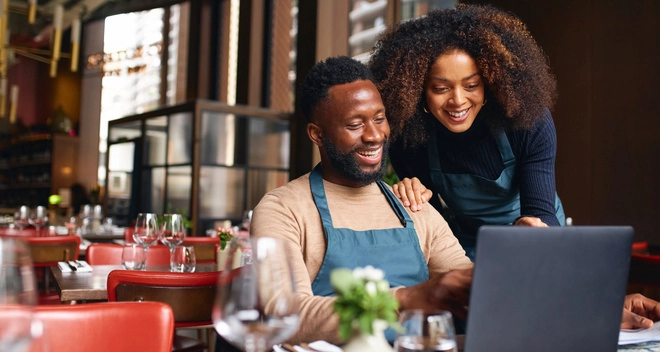
Start by getting clear on what you want for your restaurant. Identify your target customers, such as families or young professionals, and pin down the values that define you, like authenticity or speed.
Think about your visual identity too, and look at what your competitors are doing. This creates a consistent foundation for all your restaurant communication efforts.
For example, a fast-food restaurant might use a fun, upbeat tone to attract younger customers on social media.
2. Build an attractive, responsive website
"97% of consumers read online reviews before choosing a local business." - BrightLocal
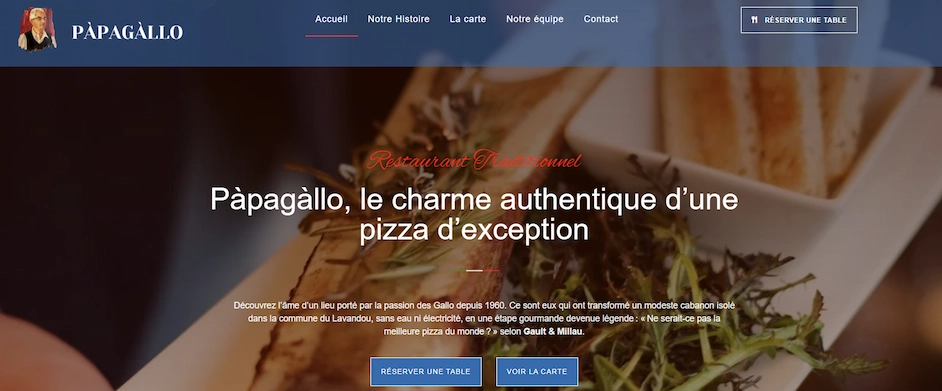
Your website is like a shop window that never closes. Make sure it adapts to every screen, mobile included, so customers can easily find your menu, opening hours and address. Add high-quality photos of your dishes and dining room to whet appetites.
A well-built site improves your organic search rankings and helps search engines show you first.
Tip: Tailor your content to match your restaurant's image.
For example, if you run a fine-dining restaurant, highlight detailed, mouth-watering descriptions of your dishes to win over food lovers.
3. Add an online booking module
Make life easier for your customers by adding a booking system directly to your website.
This avoids missed calls, helps you manage busy periods, and cuts the commissions charged by third-party platforms.
Your customers can book in just a few clicks, which encourages spontaneous bookings and can increase your booking rate by close to 30%, with no extra effort.
4. Add directions to your website
Help visitors find you easily by adding a "get directions" button to your website.
This uses tools like Google Maps to guide customers straight from their current location. It works perfectly on mobile, where most restaurant searches happen. If your restaurant is in a city centre, it also draws in curious passers-by. This small touch makes your restaurant communication more practical and boosts spontaneous visits.
5. Optimise your Google Business Profile
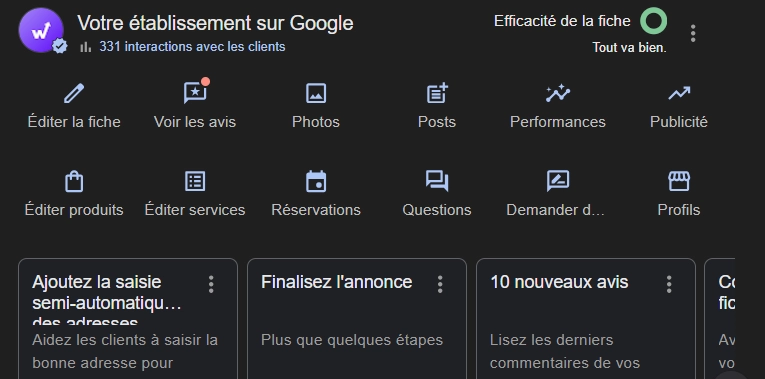
Your Google Business Profile is crucial for local SEO. Fill it in accurately: opening hours, address, menu and photos. Add posts about your events to stay visible, this helps customers find you via Google Maps.
Tip: Keep your profile up to date, including exceptional closures, to avoid frustrating customers.
👉 Follow our complete guide to optimising your Google Business Profile in 15 steps
6. Publish blog articles optimised for local SEO
Write articles on topics related to your restaurant, such as recipes or cooking tips. Use keywords like "best restaurant in [YOUR CITY]" to climb local search results (on Google Maps).
Take a café in Montpellier, for example: an article titled "Top 5 Best Cafés in Montpellier" helps position it among the best in the area.
It is a digital strategy that strengthens your online reputation for free and over the long term, and lets you position yourself as an expert with search engines.
7. Keep your information consistent across every platform
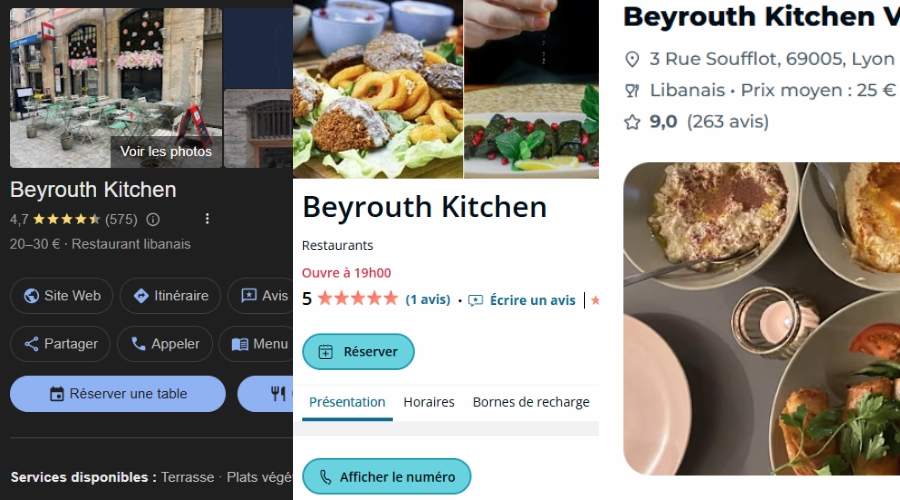
Make sure your hours, menu and contact details are identical everywhere: your website, Google Business Profile, social media. Inconsistencies hurt your SEO and frustrate customers. Check regularly to keep a reliable image.
If you run a restaurant with delivery, this avoids mistakes on apps like Uber Eats.
This consistency builds trust and improves your restaurant's visibility.
8. Collect more Google reviews with an Up Review prize game
"61% of diners read online reviews to choose a restaurant, and 34% pick their venue based on reviews alone." - ReviewInc
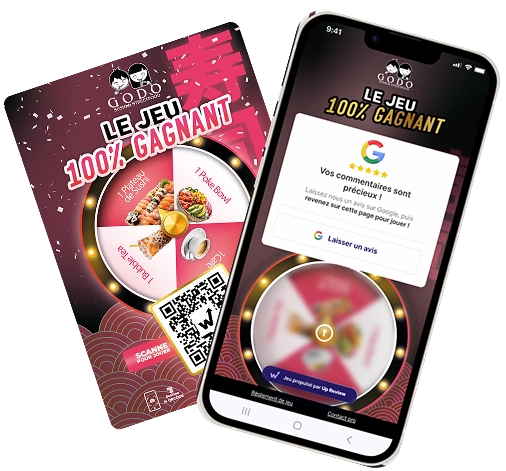
Place an Up Review reward wheel near the till or on your tables, and watch your Google reviews climb! 🎡
Customers scan the QR code, leave a review of your restaurant, then spin the wheel for a chance to win a small prize: a free dessert, a coffee, or a discount.
This playful moment creates a positive, memorable experience, encourages happy customers to speak up spontaneously, and naturally multiplies the number of Google reviews you collect, which are essential for your local visibility.
Our client Godo Sushi collected more than 1,400 Google reviews in ten months using this very prize game in the dining room.
👉 Boost your Google reviews with the Up Review prize game
9. Update your website regularly
Do not let your website go stale. Refresh your menu, special offers and events to keep it current and relevant.
This shows your restaurant is active and encourages repeat visits. An up-to-date site also improves your local SEO, helping Google prioritise you.
For example, announce new dishes and events to attract new customers to your restaurant.
10. Reply to every customer review
"About 90% of consumers are more likely to visit a business that responds to all reviews, positive and negative alike." - Akira
Take the time to respond to every comment, positive or negative, on Google, Yelp or TripAdvisor.
Thank customers for positive feedback and offer solutions for negative feedback. This shows that you listen and improves your average rating. In fact, an unhappy customer can become a loyal one if you handle your reply well.
What is more, replying to reviews also boosts your local SEO... yes, really!
👉 Discover now how to write the perfect reply to a Google review
11. Post high-quality photos of your dishes
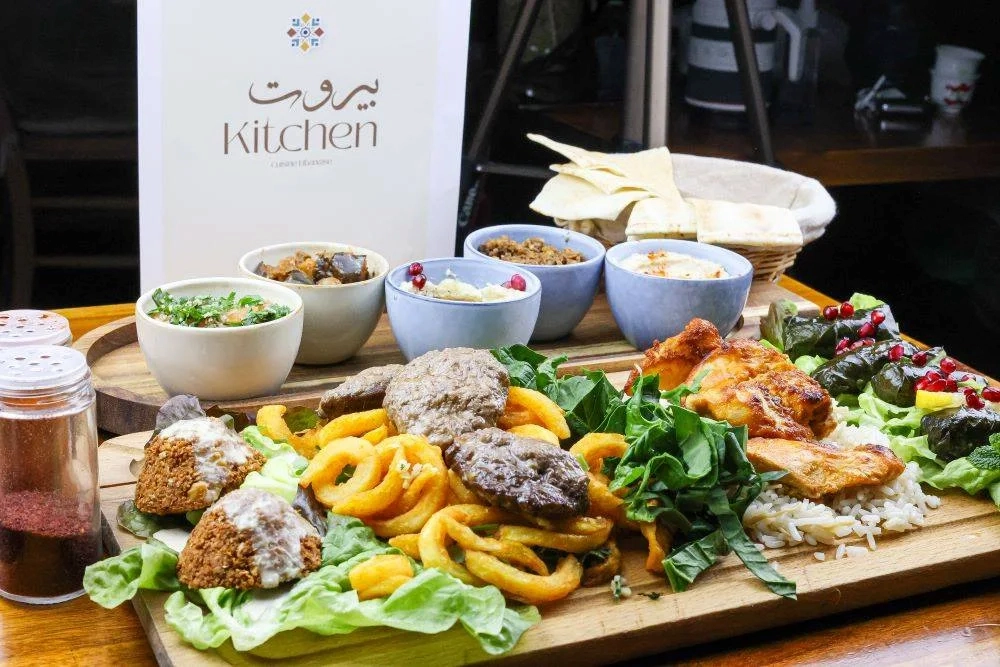
Share mouth-watering images on your website and social media. They make mouths water and put customers right there in your restaurant.
Use good lighting for professional-looking visuals. This showcases your menu and draws in food lovers.
For example, a well-photographed signature dish can go viral on Instagram.
12. Send newsletters to stay in touch
Collect your customers' email addresses and send them regular newsletters with promotions or news. This helps build loyalty and keeps your restaurant top of mind without being intrusive.
Personalise them for more impact, such as exclusive offers for regulars.
13. Stay active on Instagram with engaging content
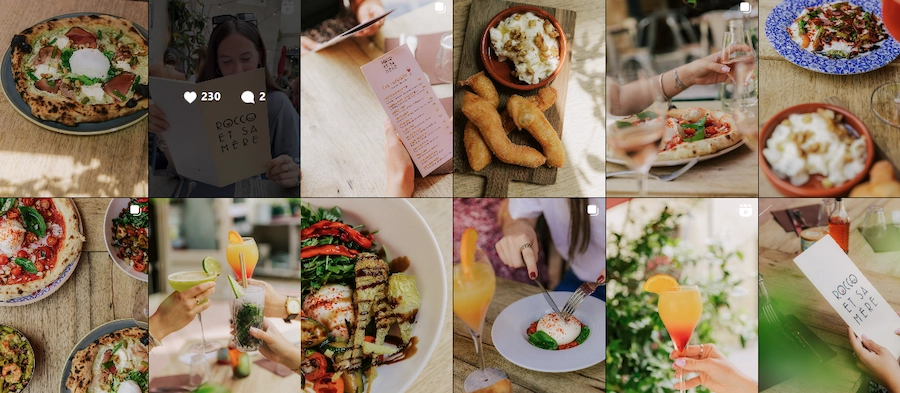
Post regularly on Instagram: dishes, behind-the-scenes content, interactive stories.
Use hashtags to reach more people. This builds a community around your restaurant.
Bring in influencers for occasional boosts. It is ideal for a young, food-focused positioning.
14. Create and maintain a professional Facebook page
On Facebook, share news, promotions and polls. Fill in all the practical details for effective communication. Engage your followers with questions or FAQs to build loyalty.
Run targeted paid campaigns to attract local customers. It is a key channel for special offers.
15. Launch paid campaigns on Instagram and Facebook

Invest in sponsored ads to target age, location and interests. Highlight promotions with a clear call to action, like "Book now". This boosts visibility quickly.
On a modest budget, focus on prospects close to your restaurant.
16. Run giveaways to boost brand awareness
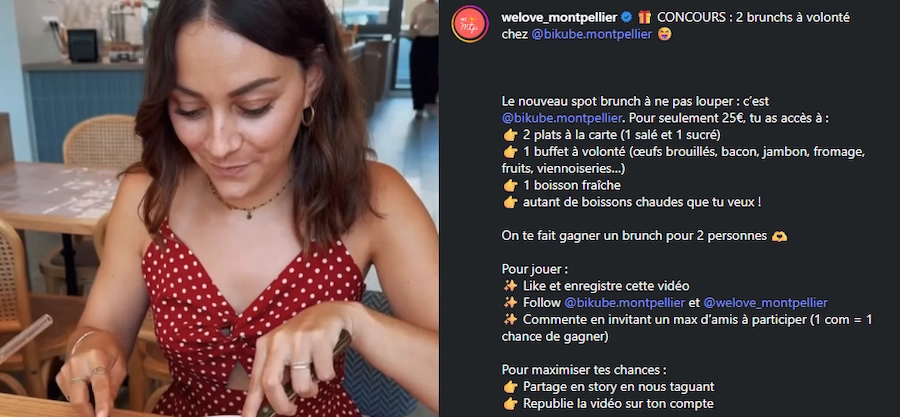
Run social media contests, such as a chance to win a free meal. This engages your followers and drives traffic. Keep the rules simple to maximise entries.
One example: "Share a photo of your favourite dish for a chance to win." This reinforces your fun brand image.
17. Encourage your customers to share content from your restaurant
Create photogenic spots, like a decorative wall or neon signs. Encourage selfies and tags with a dedicated hashtag. Offer a small reward for shares. This turns your customers into ambassadors.
18. Partner with food influencers

"73% of Gen Z and Millennial followers of food-focused social media creators visited a restaurant in the last three months because of a social media review they saw." - Nation's Restaurant News
Reach out to bloggers or influencers to get them talking about your restaurant. Choose ones who match your style. A free visit can generate viral content.
For example, a story from a food influencer with 50,000 followers can fill your dining room for an entire weekend.
19. List your restaurant in directories
"A one-star increase on Yelp translates into a 5% to 9% increase in a restaurant's revenue." - Harvard Business School
List yourself on Yelp, TripAdvisor, Yellow Pages and Bing Places. This multiplies your visibility channels and improves your SEO.
Choose the ones suited to your customer base. For tourists, add international sites like Foursquare.
👉 Discover the 35 platforms to list your restaurant on 🍽️
Building a presence on tourist directories
If you target travellers, sign up for platforms like Dianping for Chinese visitors or Kekanto for Brazilian visitors. Translate your information if you can.
20. Sign up for online delivery platforms
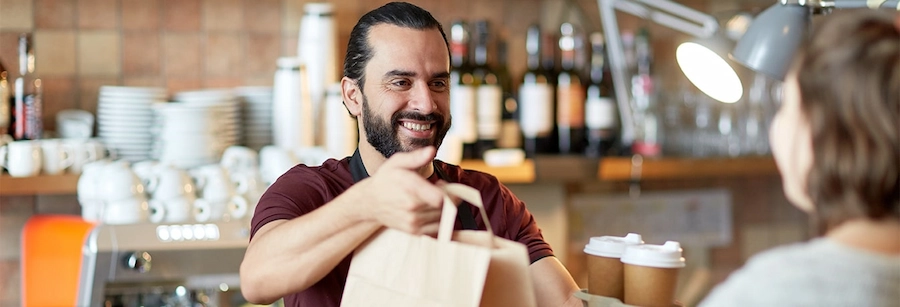
Join Uber Eats, Deliveroo or Just Eat to reach customers at home. Optimise your descriptions and photos. This diversifies your revenue and exposes your menu to new prospects. Add click and collect for quick pickups.
👉 Discover the 5 best online delivery platforms for your restaurant 🛍️
21. Partner with blogs, media and local press
Invite journalists or bloggers to write about your restaurant. Share press releases about your news. This builds credibility. For example, a partnership with a local magazine can draw a crowd for an event.
22. Host offline events to create buzz

Plan cooking workshops, tastings or live-music nights. Promote them online and in your restaurant. This encourages word of mouth.
Take part in markets to reach local residents. It is an all-round communication approach that builds loyalty really well!
23. Create local pages or a Store Locator for chains
If you run several locations, create one page per address, optimised for local SEO. A Store Locator automates this. Display reviews and photos for each one. This helps every restaurant shine in its own area.
24. Use email marketing to build customer loyalty
Send personalised emails with exclusive offers. Build your list through your website or in your restaurant. This keeps the relationship alive and boosts return visits. Announce new dishes to encourage more visits.
By applying these restaurant communication strategies, you will boost your visibility and build lasting customer loyalty.
Always keep an eye on your Google reviews to fine-tune your approach and maintain a solid reputation.